What is hydromorphological assessment?
All watercourses in the landscape are constantly dynamically evolving due to natural and human-induced influences. The most significant factors affecting the natural condition of watercourses include:
- changes in the shape of the riverbed
- construction of transverse barriers
- changes in the use of surrounding land (especially urbanization and agriculture)
- changes in the water regime caused directly – e.g., significant water withdrawals and discharges into surface waters, or indirectly by climate change impacts
→ These changes affect the quality of biological components (fish, macroinvertebrates, phytobenthos, etc.).
To improve the condition of watercourses, it is necessary to understand how they function.
- From this perspective, the hydromorphological characteristics of watercourses are crucial, as is understanding how rivers would appear and function under natural, undisturbed conditions.
- Besides hydrological (e.g., flow) and morphological characteristics (e.g., shape of the riverbed, presence/absence of bank reinforcements, presence of habitats for biota, etc.), it is also important to consider vegetation, which both influences and is influenced by the processes occurring in rivers and floodplains.
The EU Water Framework Directive requires all member states to assess the hydromorphological status / potential of water bodies as part of monitoring their ecological status/potential.
- Along with biological, chemical, and physico-chemical components, information about hydromorphological status is a partial parameter whose main purpose is to determine whether hydromorphological conditions allow achieving the environmental goals for biological components and the desired ecological status or potential of the watercourse.
- Since there is no unified methodology for hydromorphological assessment applicable throughout the EU (and due to considerable variability in conditions, data availability, their format, and quality, such a methodology cannot exist), various “national” methodological approaches have emerged in EU countries since the adoption of the Directive.
- A guideline for assessment became the EN 14614 standard issued in 2005, which was updated and replaced in 2021 based on new findings to increase the comparability of methodologies for hydromorphological status assessment. The standard incorporated knowledge from the European REFORM project “REstoring rivers FOR effective catchment Management,” which significantly influenced the development of new methodologies within EU member states.
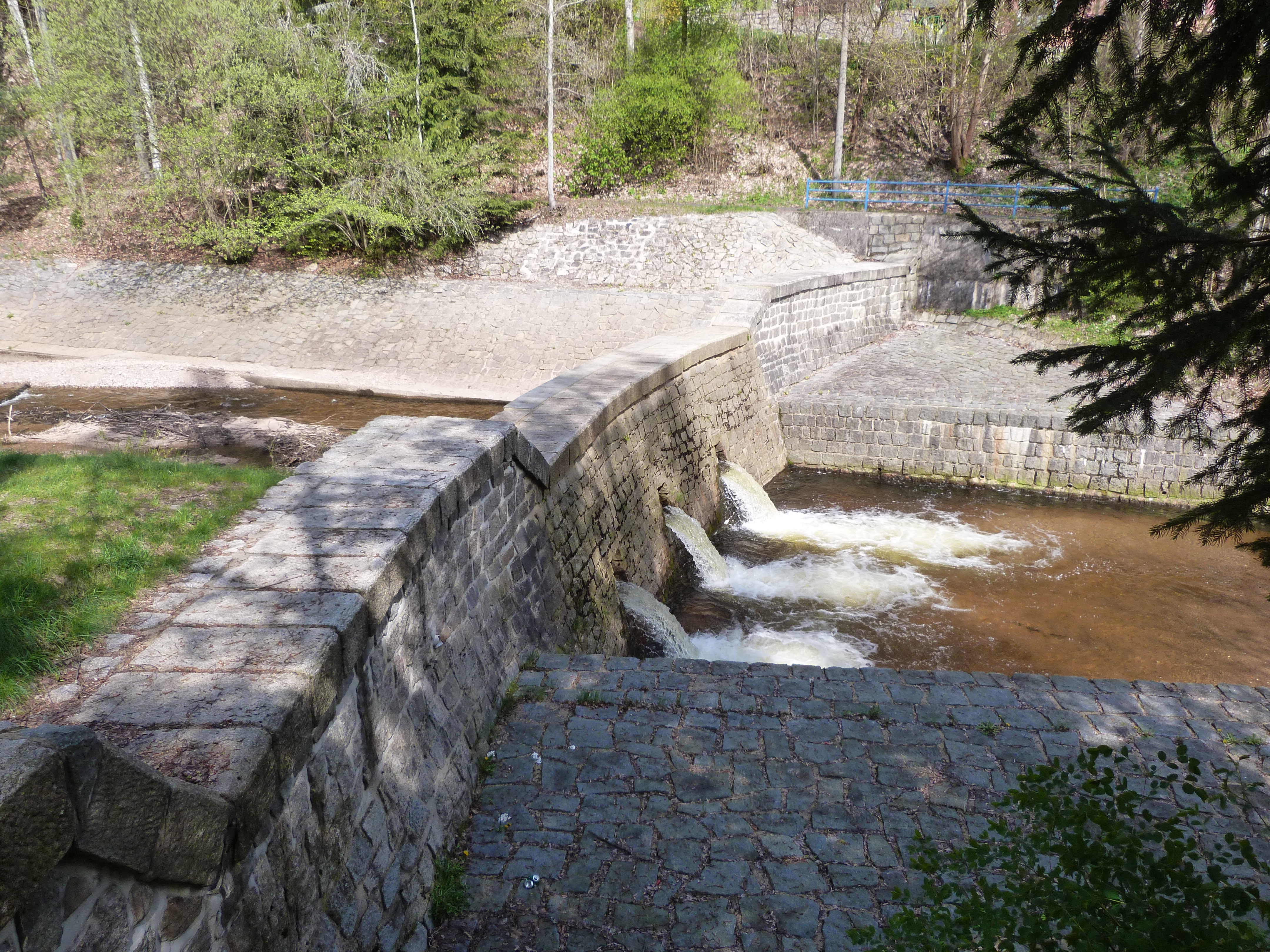
The occurrence of barriers and weirs in the riverbed is assessed automatically (based on all available data), with the option for manual adjustment if detailed evaluation is needed.
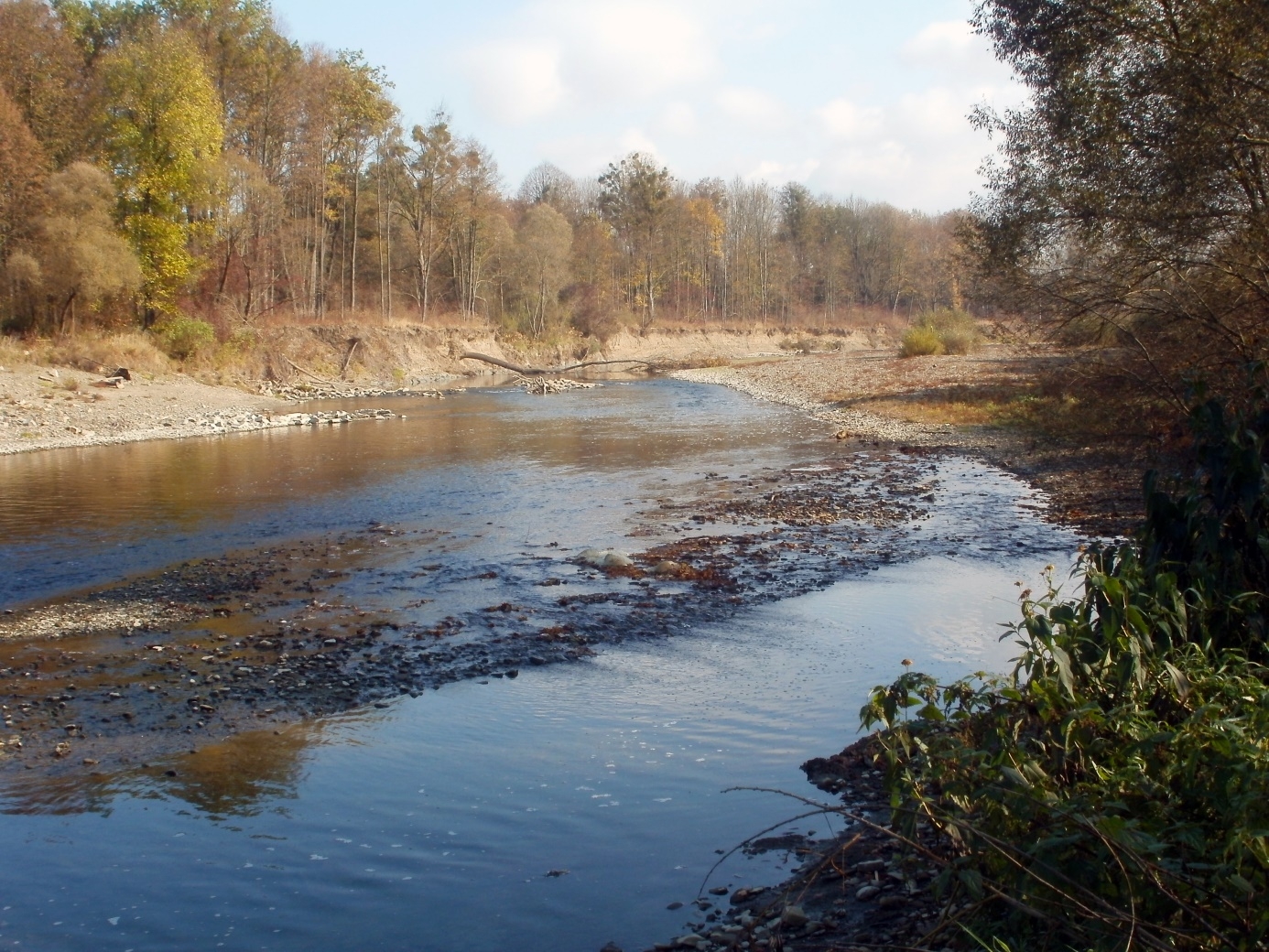
The sediment transport regime is one of the parameters included in the classification of water bodies, which serve as the basis for hydromorphological assessment.
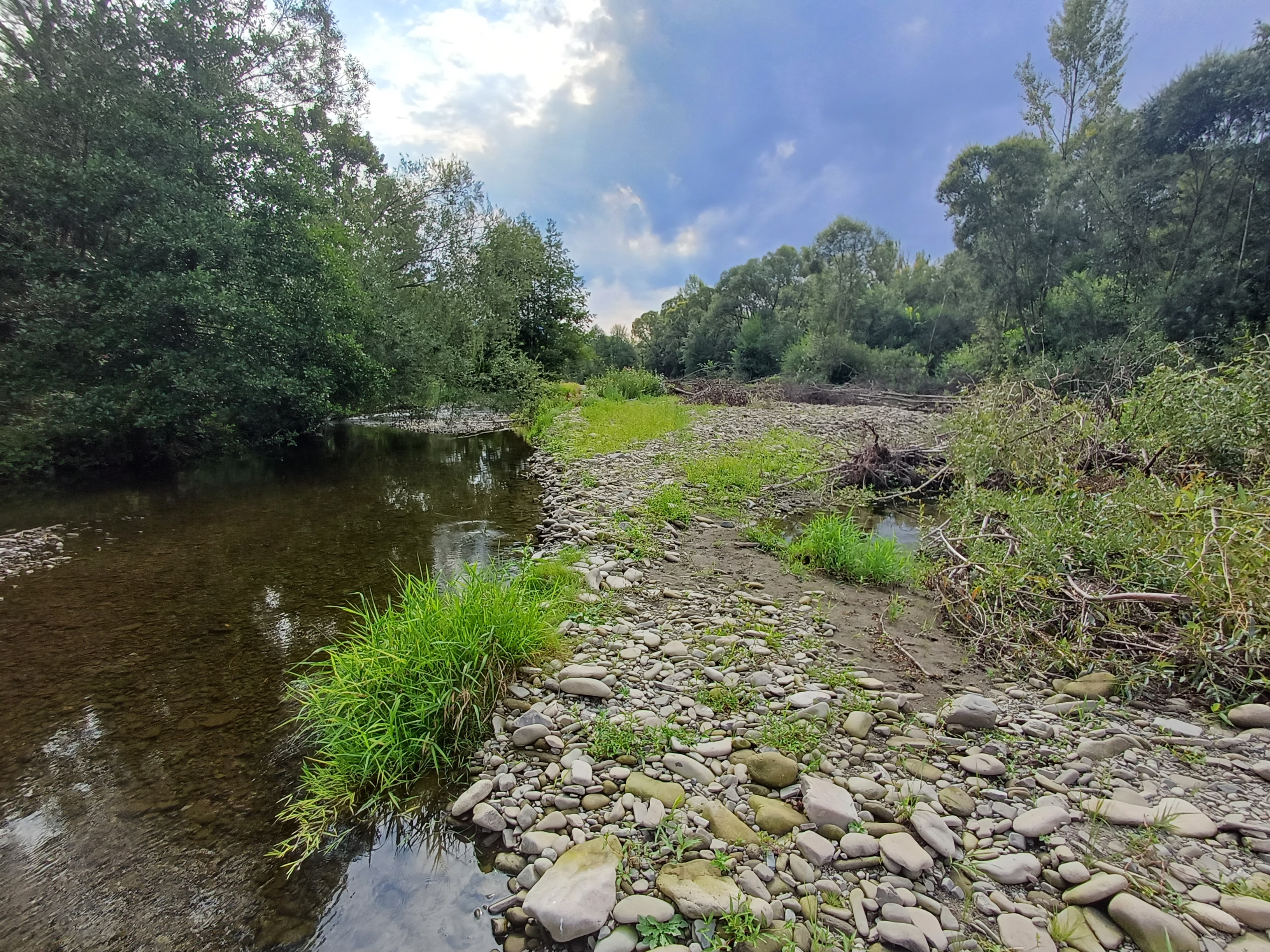
The assessment of the hydromorphological status also take into account the characteristics of the riverbed substrate
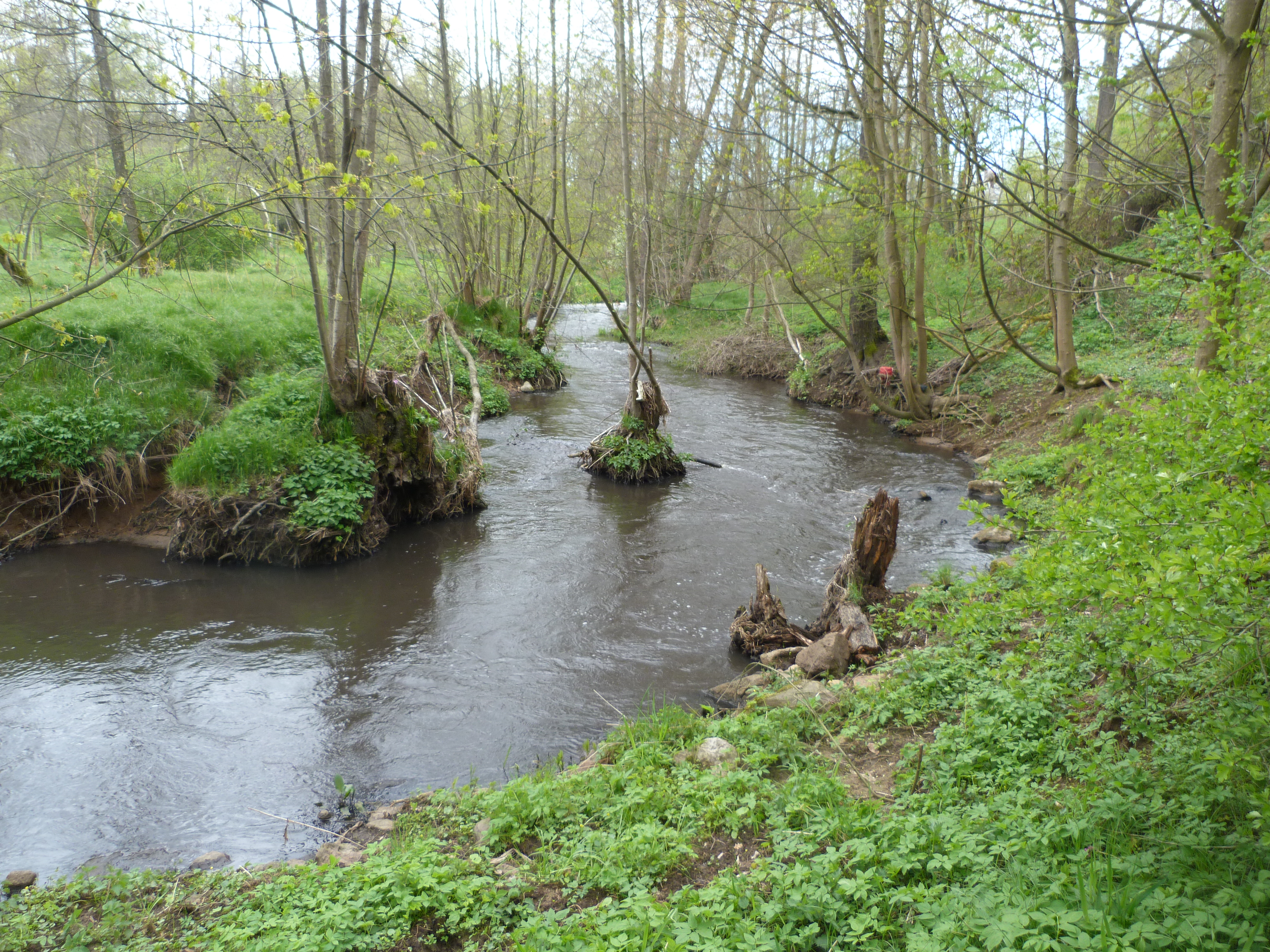
Cross-section variability is an important indicator used to assess the degree of morphological alteration of the riverbed.
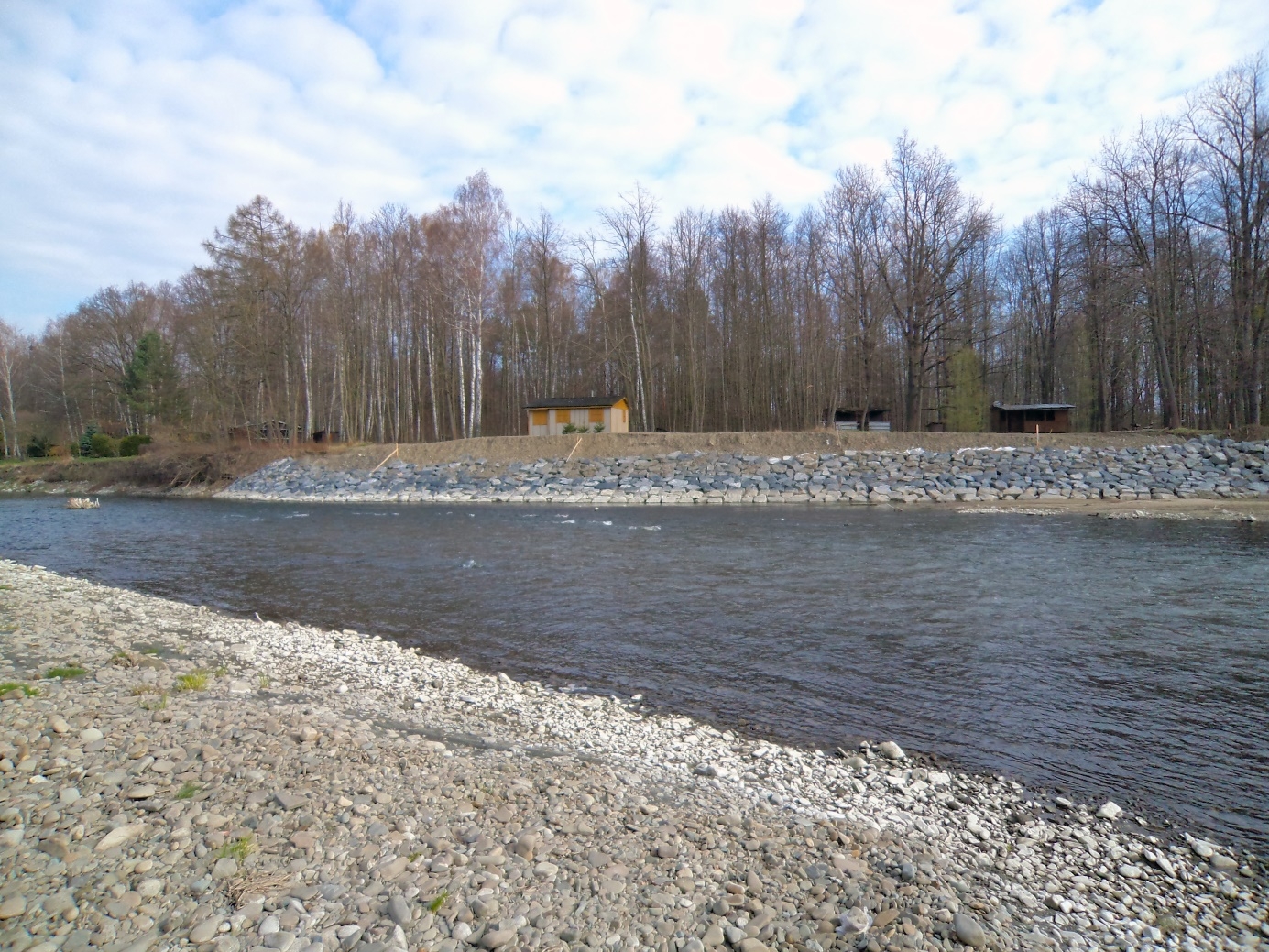
The assessment also includes lateral continuity.
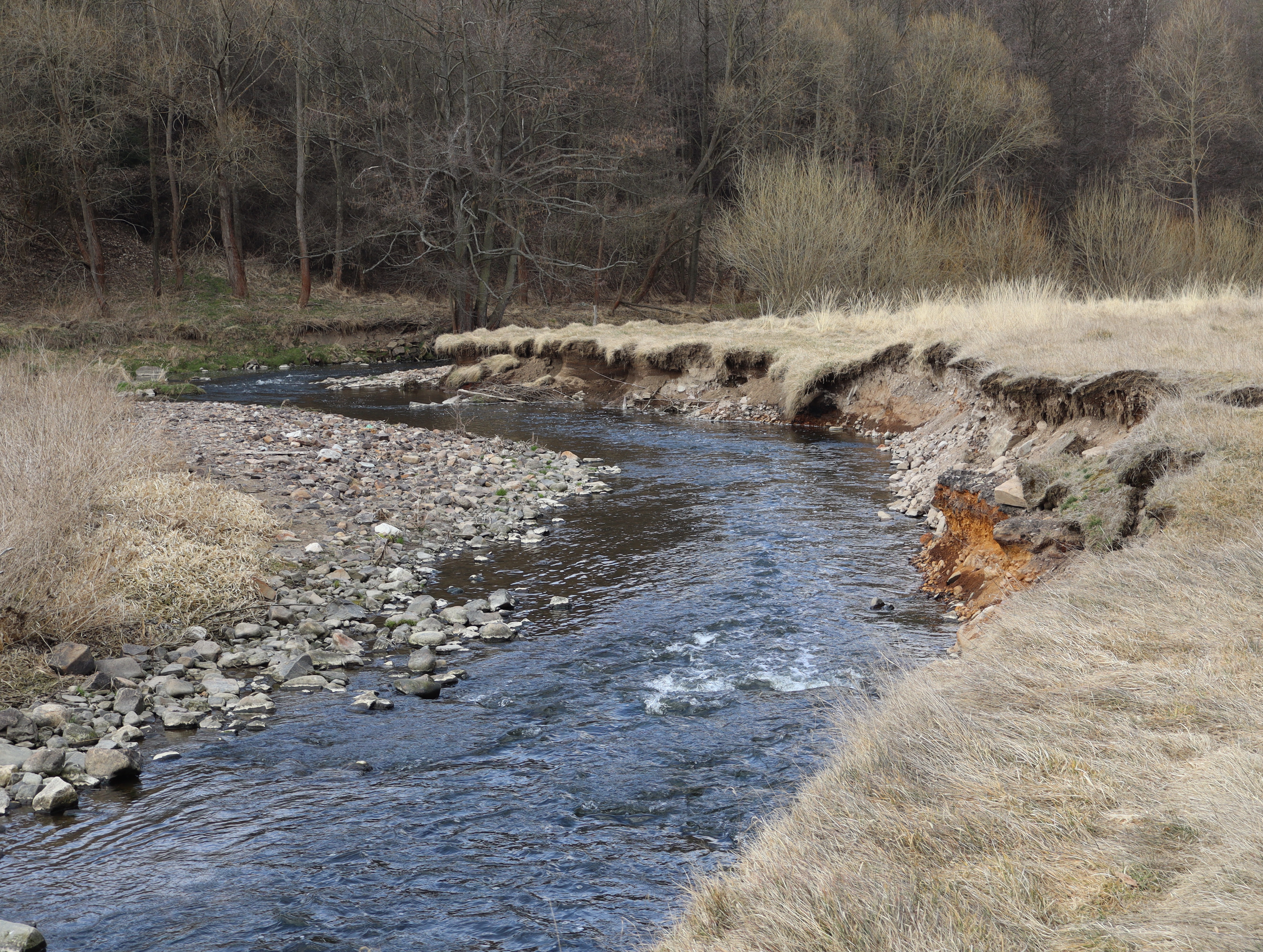
The natural dynamics of river processes and the presence of bank erosion are assessed.