
Vulnerability of Mountain and Submountain Areas
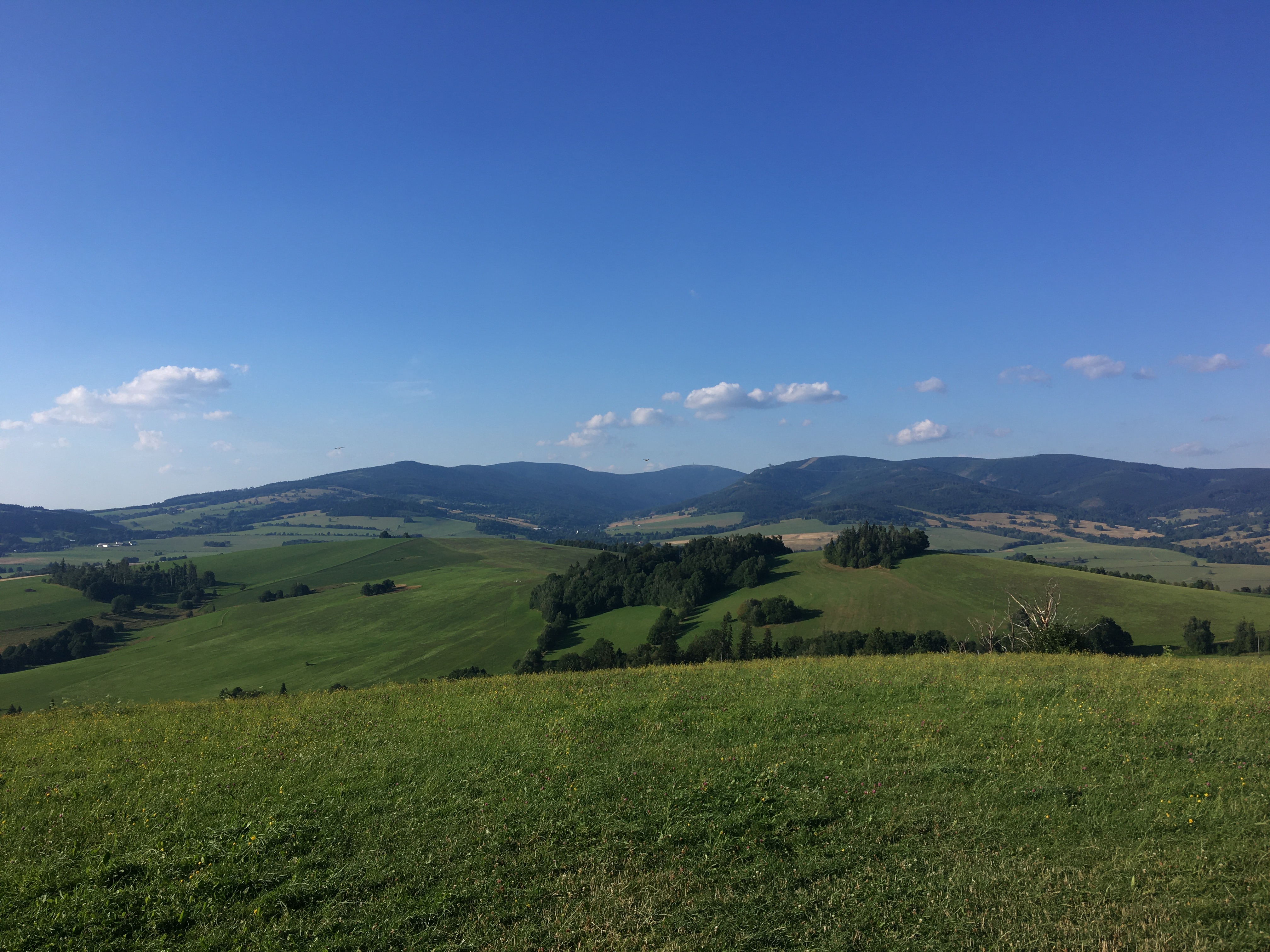
- Mountain and submountain areas are increasingly threatened despite their great importance for preserving biodiversity, due to their extreme vulnerability, especially under climate change conditions, and increasing anthropogenic pressures, particularly tourism. At the same time, these areas are marginalized because of difficult infrastructure development, harsher climate, and unfavorable conditions for agriculture.
- Land degradation leads to loss of agroecosystem productivity with environmental impacts and financial consequences.
- Main drivers of degradation, besides global climate change, include increasing human pressures such as population density growth, urbanization, disproportionate tourism growth, agricultural intensification, and pollution levels.
- Manifestations of land degradation include increasing landscape drying, soil fertility depletion, hydrological instability, and loss of landscape structure diversity and biodiversity. These manifestations can be further accelerated by ongoing climate change, significantly reducing the quality of ecosystem services provided.
- Ecological stability at the landscape scale depends on the state of individual ecosystem components, their interactions, the degree of disturbance, and their resilience (ability to return to functional state after disturbance).
- Factors influencing ecological stability (drivers) include not only anthropogenic pressures but also fundamental ecosystem and landscape attributes that support stability (called stability prerequisites), considering ecosystem condition as well as their resistance and resilience.
- Identification of natural and anthropogenic factors that reduce ecological stability and cause loss of ecosystem functions significantly contributes to planning sustainable use of natural resources in the landscape (forests, flower-rich meadows, and water sources) in marginalized areas.
- The identification and assessment of these factors is performed at a detailed scale of 1:10,000 (at the level of individual habitats) using an extended ESAI method (more about ESAI here).
Margistar – Environmental Vulnerability of Marginal Mountain Areas
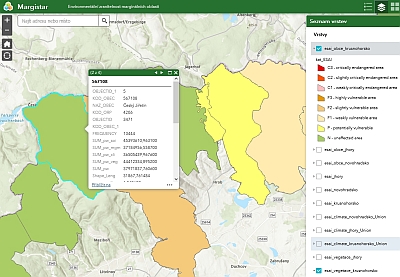
- The application currently offers detailed spatially localized data on land susceptibility to degradation according to the ESAI method for 3 areas: Novohradské hory Mts., eastern part of Krušné hory Mts., and Jizerské hory Mts.
- Within the application, it is possible to identify the degree of overall landscape susceptibility to degradation at the level of individual habitats, and based on values of individual parameters and thematic components, the most vulnerable or most degraded landscape components that reduce its functionality.
- The outputs provide stakeholders (mainly mayors and nature protection staff, but also farmers, foresters, and NGOs) with spatially localized information about the state of socio-environmental factors related to landscape ecological stability, including the state of natural and anthropogenic
factors causing land degradation.
The data were processed as a part of the project Scientifically based background data for the revitalization of marginalized mountain areas in the Czech Republic, carried out by the Global Change Research Institute of the Czech Academy of Sciences (CzechGlobe), in cooperation with the Czech University of Life Sciences Prague (Department of Forest Ecology, LDF) and the Palacký University Olomouc (Department of Geoinformatics, Faculty of Science), funded by state support from the Ministry of Education, Youth and Sports within the INTER-COST program.