
Support of natural pollination capacity in agroecosystems and assessing risks of sublethal pesticide doses on solitary bees
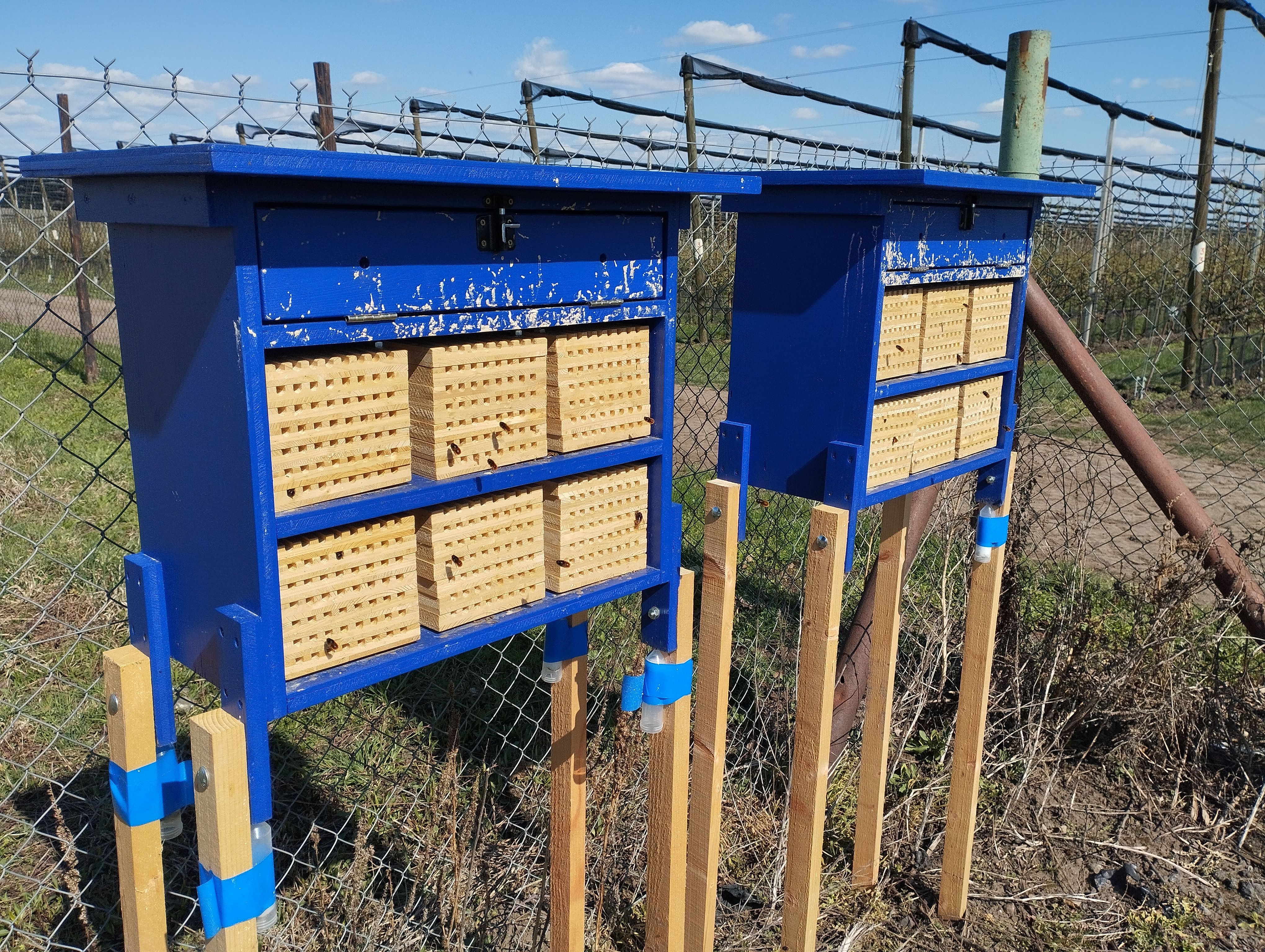
Project objectives
The aim of the project was to make pollination of agricultural crops mediated by solitary bees more effective by proposing a set of measures increasing this natural pollination capacity of agroecosystems.
The measures were aimed mainly at supporting local populations of solitary bees, by creating optimal conditions for their nesting and introducing managed breeding of native species of bees of the genus Osmia for pollination of fruit trees. Furthermore, a methodology for testing the impact of plant protection products (PRPs) on solitary bees using an omics approach was created, which can be used to demonstrate the risks of existing and newly registered PRPs.
About the project
- Project identification code: TH03030134
- Provider: Technology Agency of the Czech Republic and Ministry of the Environment of the Czech Republic within the EPSILON Programme for the Support of Applied Research and Experimental Development
- Main beneficiary: Agricultural Research, spol. s r.o.; other beneficiaries: National Centre for Agricultural and Food Research, v. v. i., Global Change Research Institute of the Academy of Sciences of the Czech Republic, v. v. i.; ALS Czech Republic, s.r.o.
- Project duration: 01/2018-12/2021
Results
Project assessment by the provider: V - Excellent project results (with international significance, etc.)
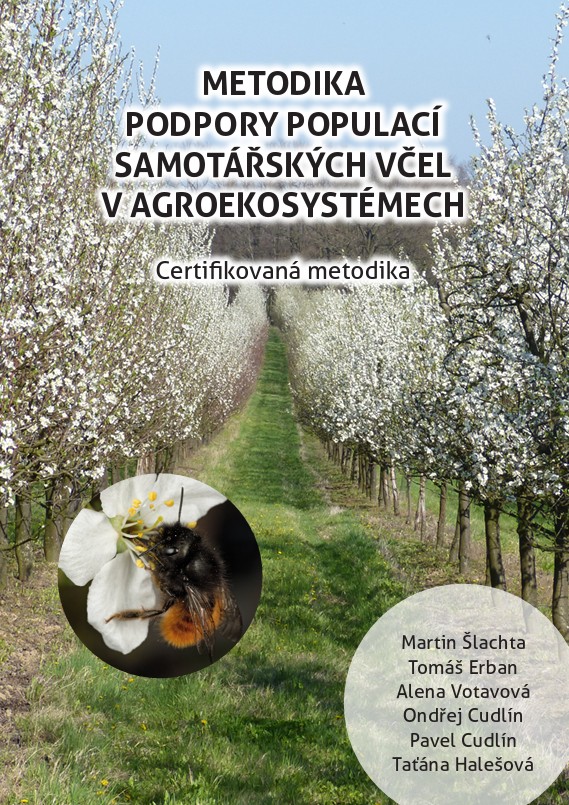
Methodology for Supporting Solitary Bee Populations in Agroecosystems
Methodology for Assessing the Impact of Sublethal Doses of Pesticides on Solitary Bees Using the OMICS Approach
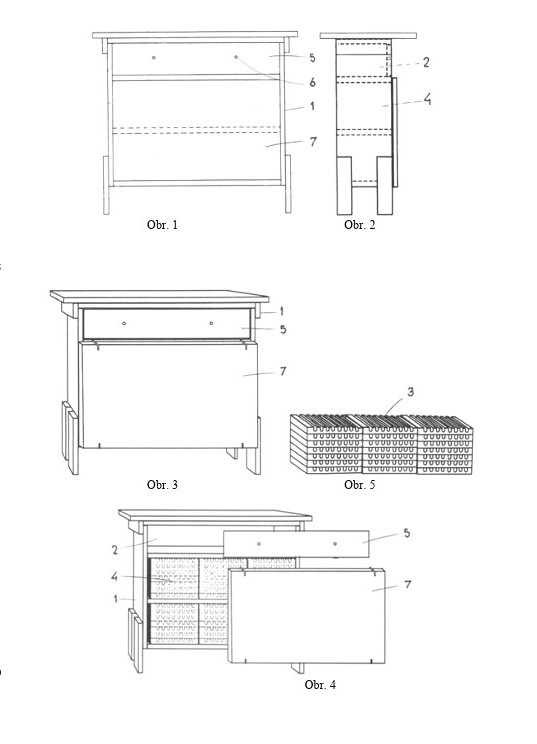
Useful Model: House for Breeding Solitary Beesk
| Publikace | Autoři | Rok |
|---|---|---|
| Moderate use of pesticides in allotment gardens as indicated by their residues in larval food provisions of Osmia solitary bees | Šlachta M., Erban T., Votavová A., Tomešová D., Václavíková M., Halešová T., Shcherbachenko E., Bešta T., Edwards-Jonášová M., Včeláková R., Procházková V. & Cudlín P. | 2025 |
| Breeding mason bees for the pollination of fruit orchards in Central Europe | Šlachta M., Votavová A., Erban T., Cudlín O., Cudlín P. | 2022 |
| Domestic Gardens Mitigate Risk of Exposure of Pollinators to Pesticides–An Urban-Rural Case Study Using a Red Mason Bee Species for Biomonitoring | Šlachta M., Erban T., Votavová A., Bešta T., Skalský M., Václavíková M., Halešová T., Edwards-Jonášová M., Včeláková R., Cudlín P. | 2020 |
Gallery
Utility model of a nesting site for mason bees
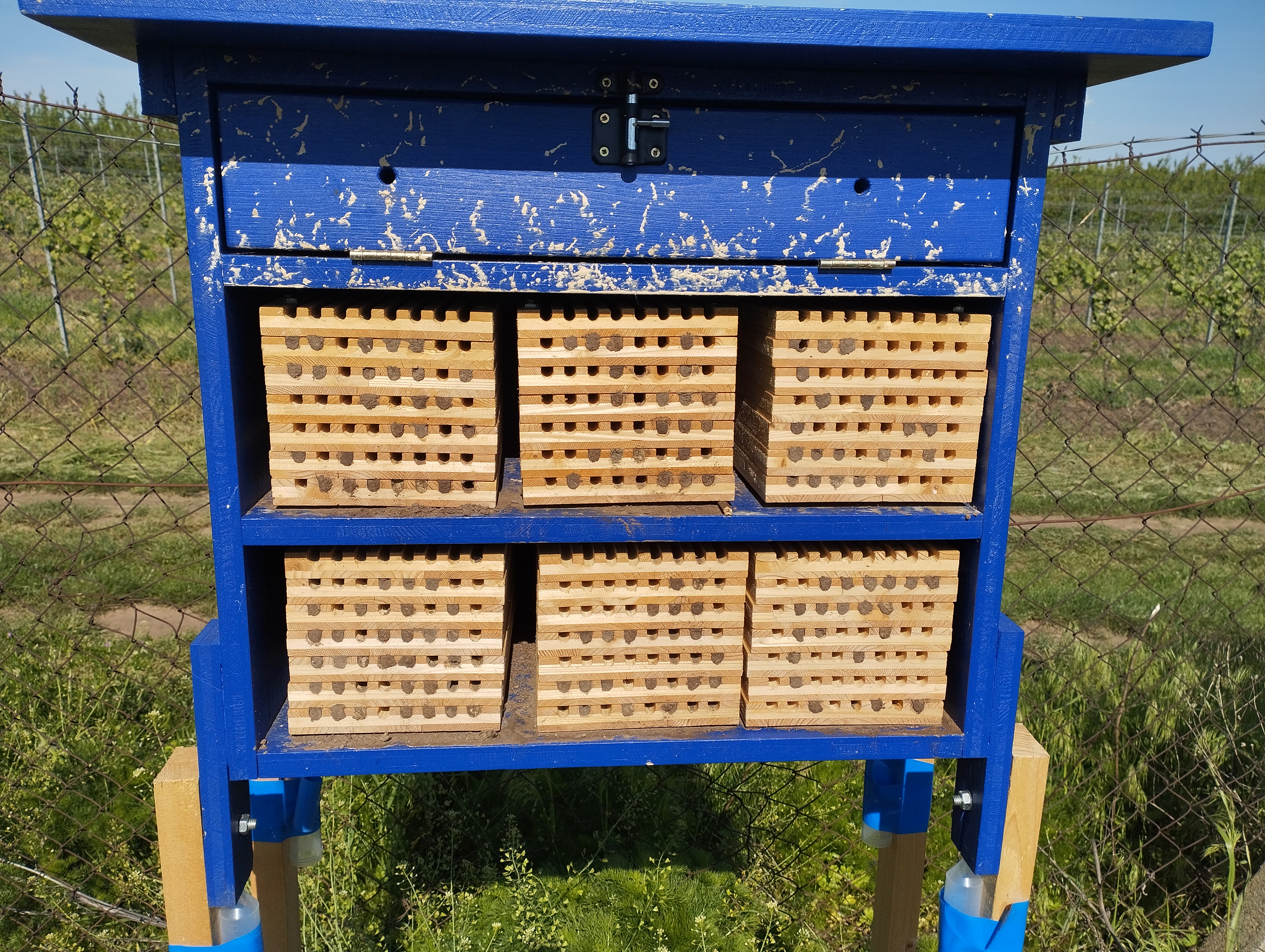
Capped (finished) nests of mason bees
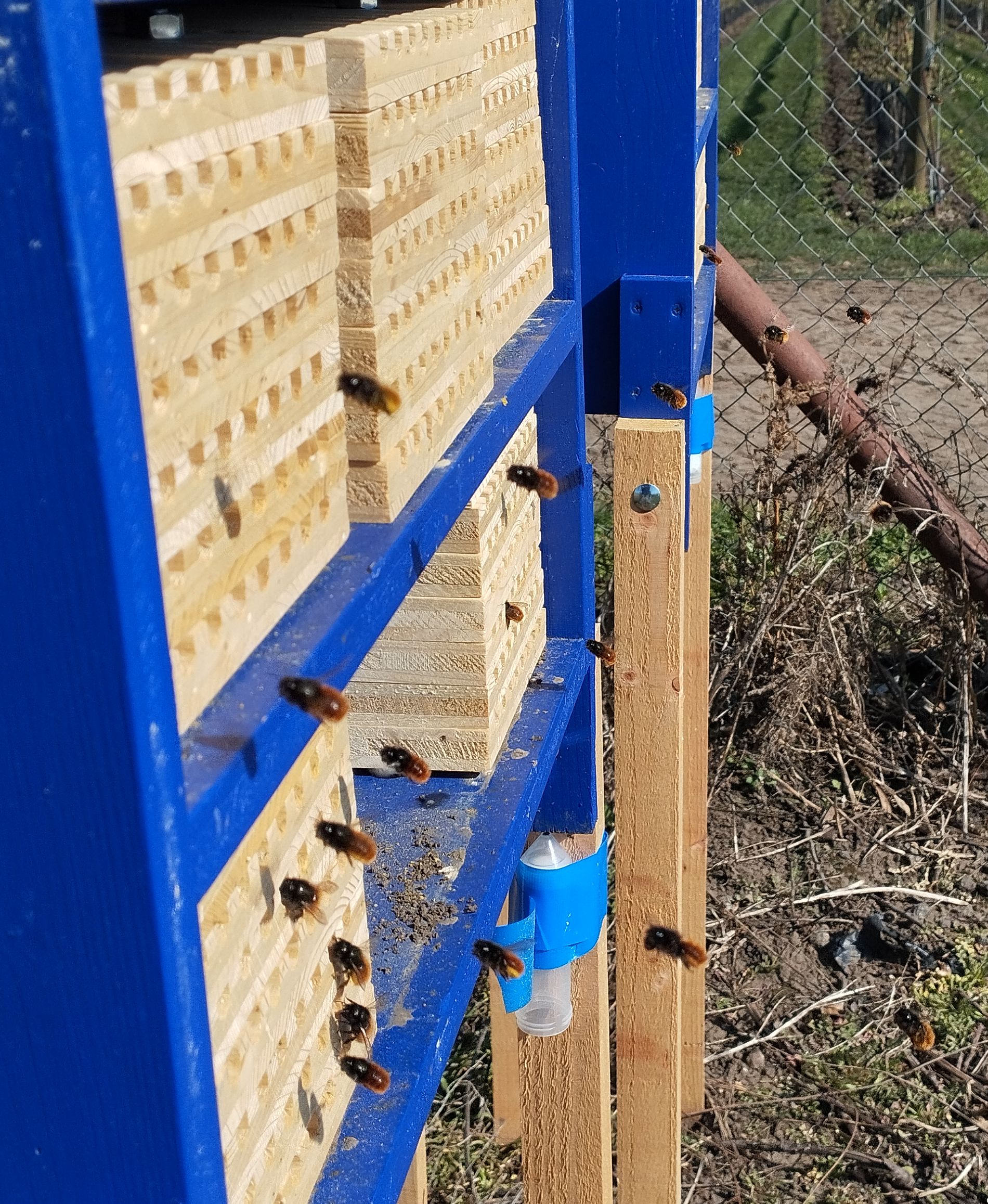
Nesting site of the Horned Mason Bee (Osmia cornuta)
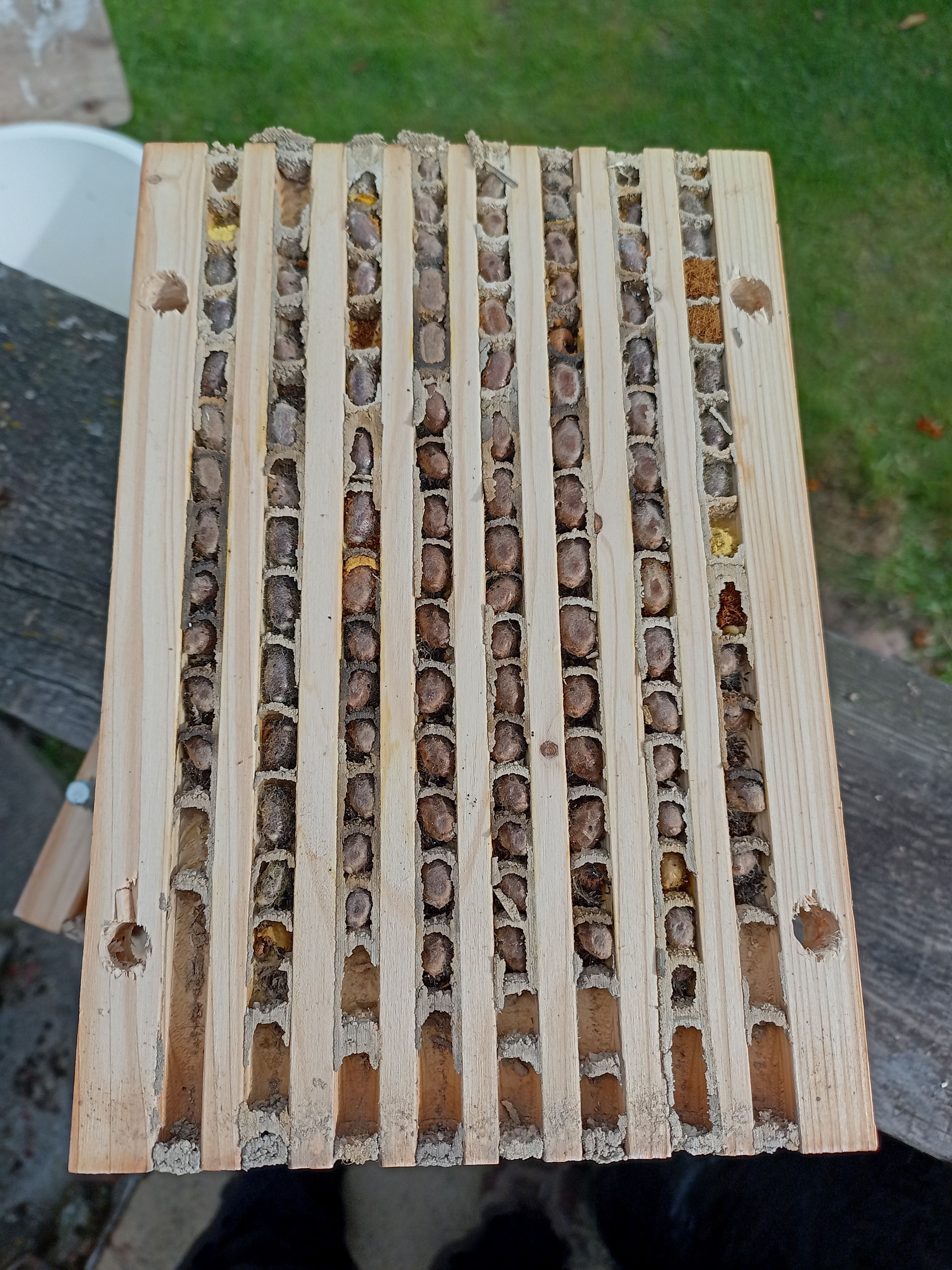
Nests with cocoons of the Red Mason bee (Osmia bicornis)
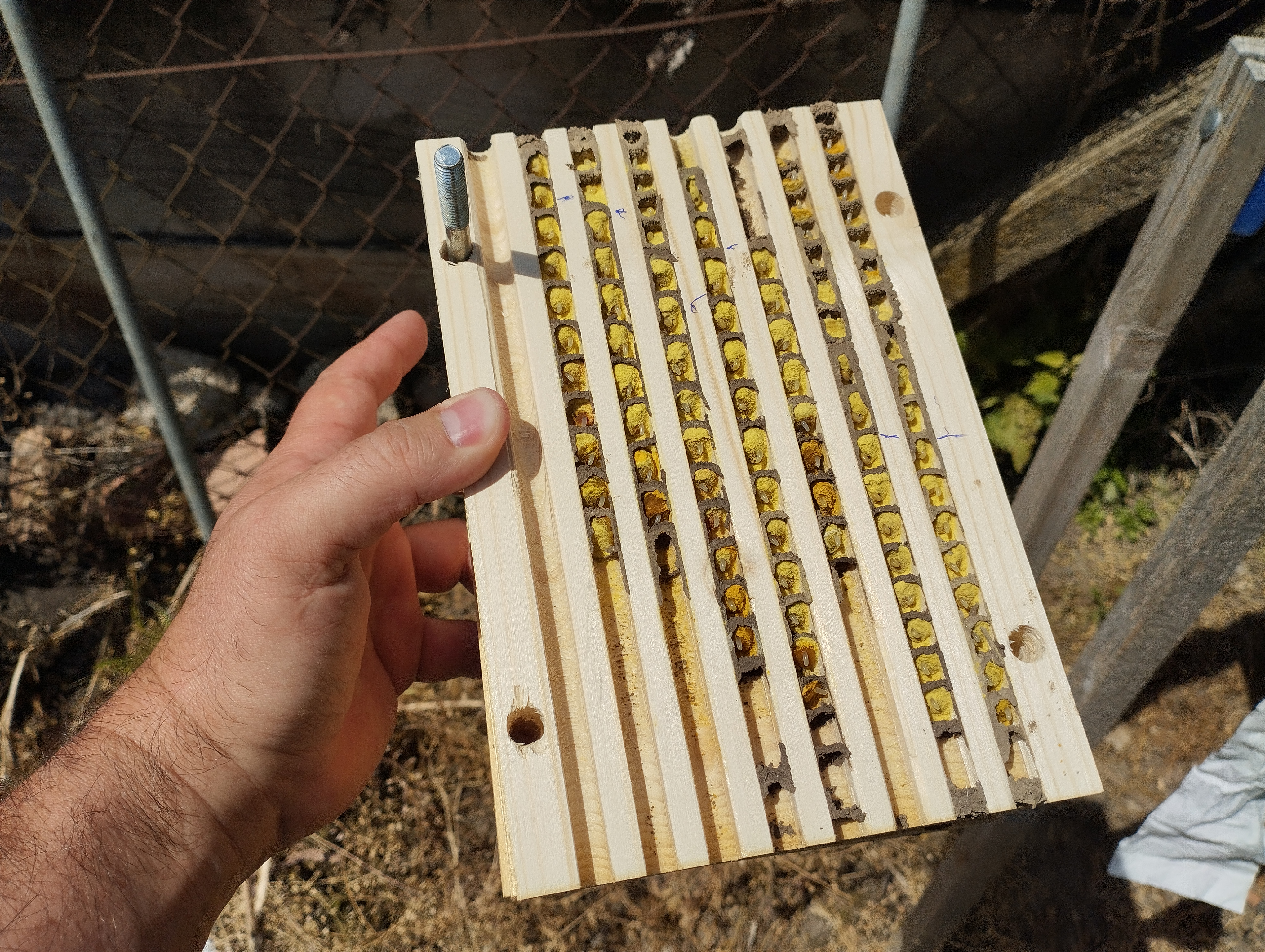
Nests with pollen stores and eggs of the Red Mason Bee (Osmia bicornis)
Nesting sites of the Horned Mason Bee (Osmia cornuta) pollinating apricot orchards
Nesting sites of the Horned Mason Bee (Osmia cornuta) pollinating apricot orchards