
Ecosystem Functions of Floodplains
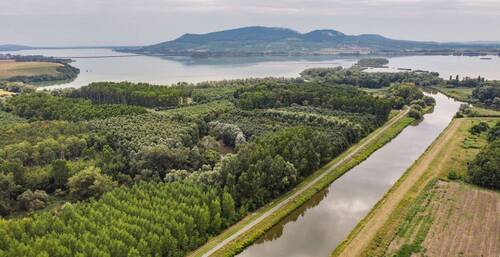
- Floodplains represent a unique environment formed by alluvial sediments, shaped over a long-time horizon along rivers and smaller watercourses.
- Since these are flat and therefore easily accessible areas, often naturally very fertile soils, they perform a number of ecosystem functions and thus provide long-term benefits to human society in the form of ecosystem services.
- Accessibility and attractiveness of floodplain ecosystems in terms of the amount of benefits provided by nature also represent the primary cause of their significant degradation.
- Among the most significant impacts of anthropogenic activities on floodplain ecosystems are urbanization, which increases the share of impermeable surfaces, negatively affecting the soil water retention capacity, hydrological regime, and sediment balance in the catchment.
- Important causes of floodplain degradation also include technical modifications of watercourses, construction of transport infrastructure, building of flood protection embankments, or intensification and changes in land use.
