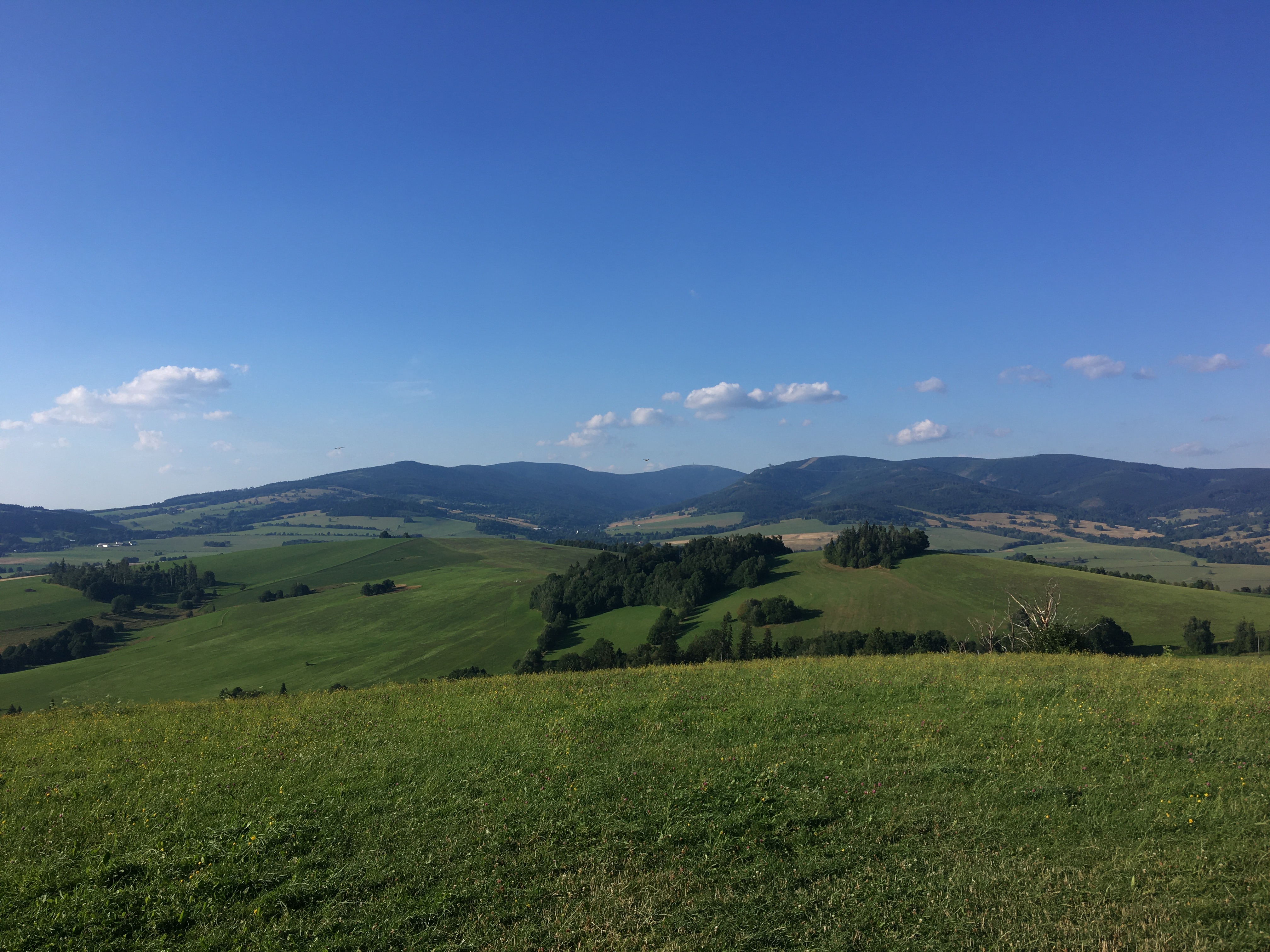
Vulnerability of Mountain and Submountain Areas
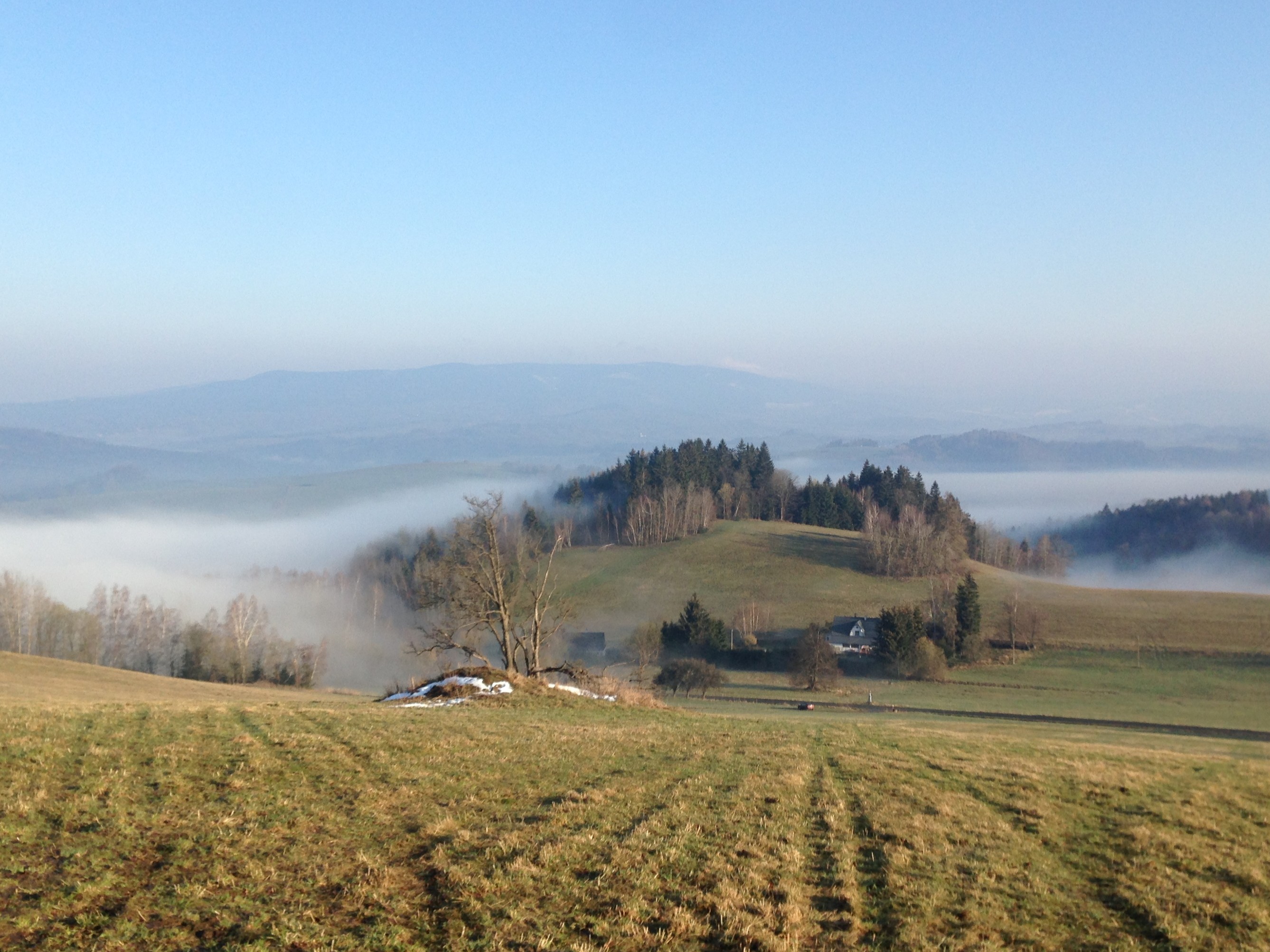
- Mountain and submountain areas are increasingly threatened despite their great importance for preserving biodiversity, due to their extreme vulnerability, especially under climate change conditions, and increasing anthropogenic pressures, particularly tourism. At the same time, these areas are marginalized because of difficult infrastructure development, harsher climate, and unfavorable conditions for agriculture.
- Land degradation leads to loss of agroecosystem productivity with environmental impacts and financial consequences.
- Main drivers of degradation, besides global climate change, include increasing human pressures such as population density growth, urbanization, disproportionate tourism growth, agricultural intensification, and pollution levels.
- Manifestations of land degradation include increasing landscape drying, soil fertility depletion, hydrological instability, and loss of landscape structure diversity and biodiversity. These manifestations can be further accelerated by ongoing climate change, significantly reducing the quality of ecosystem services provided.
- Ecological stability at the landscape scale depends on the state of individual ecosystem components, their interactions, the degree of disturbance, and their resilience (ability to return to functional state after disturbance).
- Factors influencing ecological stability (drivers) include not only anthropogenic pressures but also fundamental ecosystem and landscape attributes that support stability (called stability prerequisites), considering ecosystem condition as well as their resistance and resilience.
- Identification of natural and anthropogenic factors that reduce ecological stability and cause loss of ecosystem functions significantly contributes to planning sustainable use of natural resources in the landscape (forests, flower-rich meadows, and water sources) in marginalized areas.