Pollinators
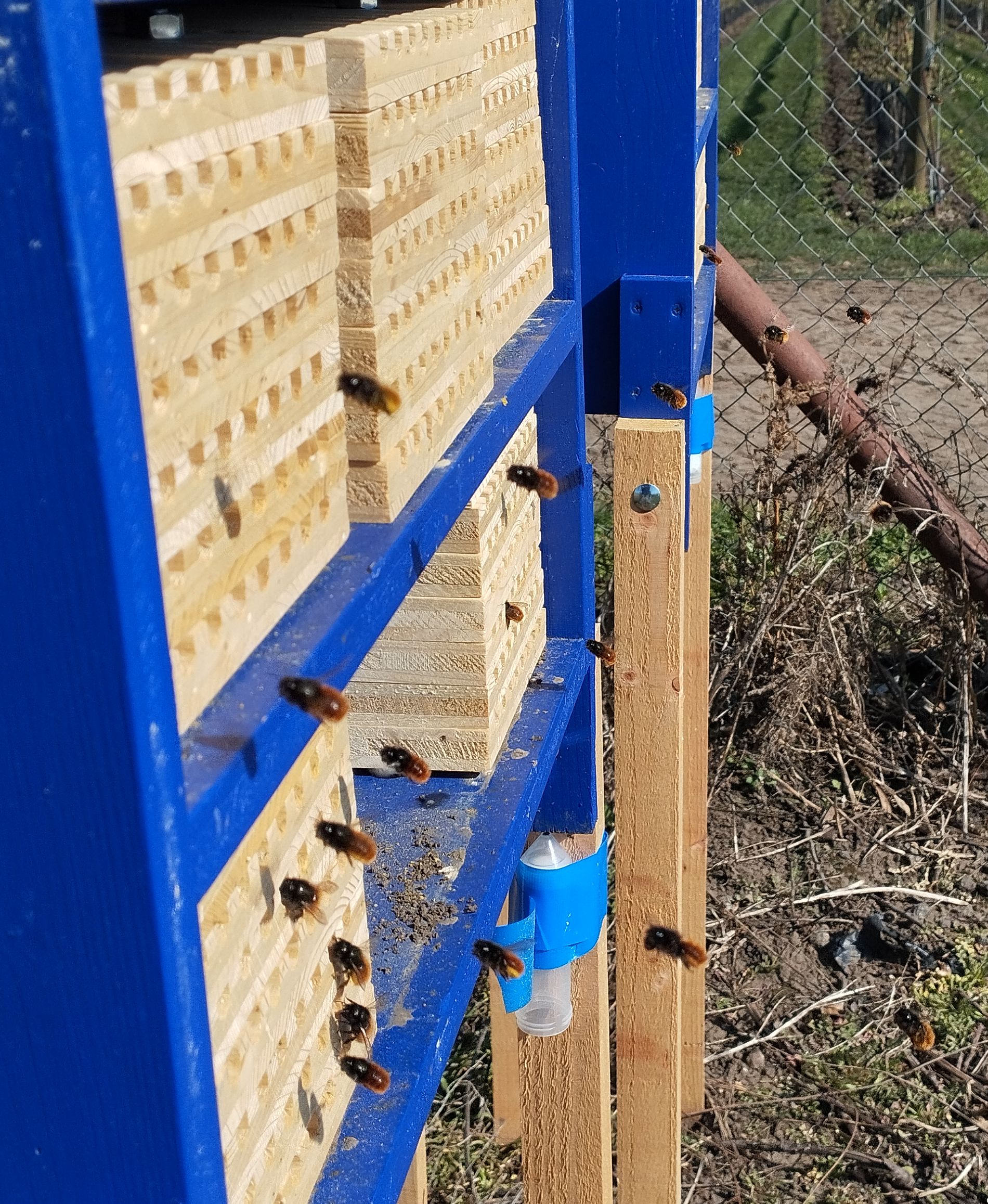
- Pollinator research focuses on solitary bees and bumblebees. These species contribute significantly to fruit production and reduce the risks resulting from dependence on the honeybee as the main pollinator.
- However, the actual exposure of wild bees to pesticide residues in their diet and the impacts on their health are currently not sufficiently known.
- In contrast to the honeybee, wild bee species are more dependent on local food sources due to their limited effective foraging range (with solitary bees only a few hundred meters from the nest) and nesting for a limited period of several weeks.
In cooperation with partner institutions, within the framework of the projects we are working on, we focus on:
- monitoring the diversity of bees depending on the intensity of agricultural management
- detecting the amount of pesticides in the food stores of solitary bees and bumblebees
- testing the impacts of real exposure to pesticides on the health and development of solitary bee larvae
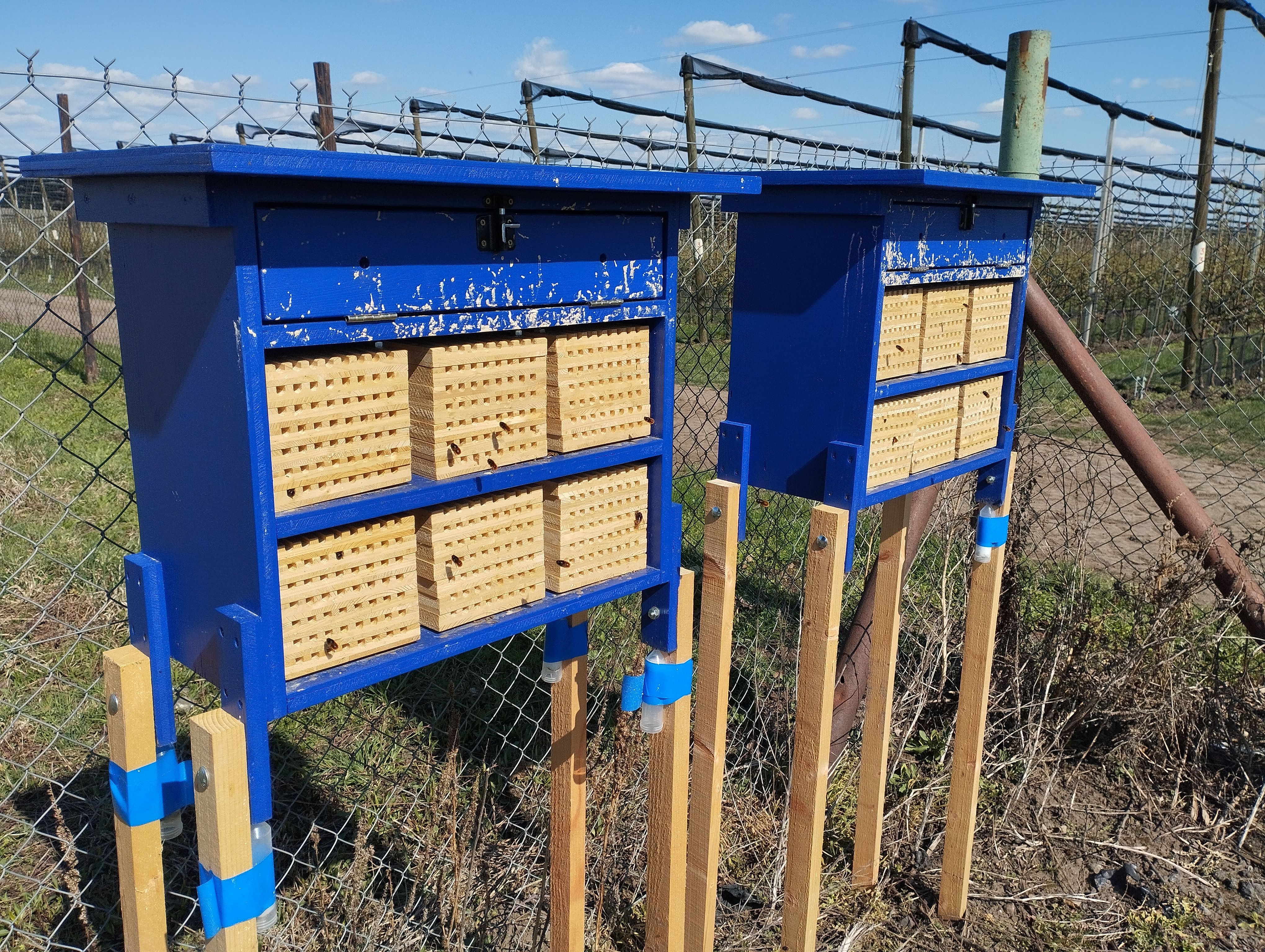
- using solitary bee (mason bee) species for pollination in orchards
- describing the causes of the disappearance of rare bumblebee species and on their breeding and reintroduction into the wild
- proposing measures to support solitary bees and bumblebees in the landscape.
Research and projects
SOLITARY BEES: The Impact of Pesticides on Pollinators in Orchards
- The aim of the project is to contribute to ensuring sufficient pollination capacity of solitary bee populations for sustainable fruit production.
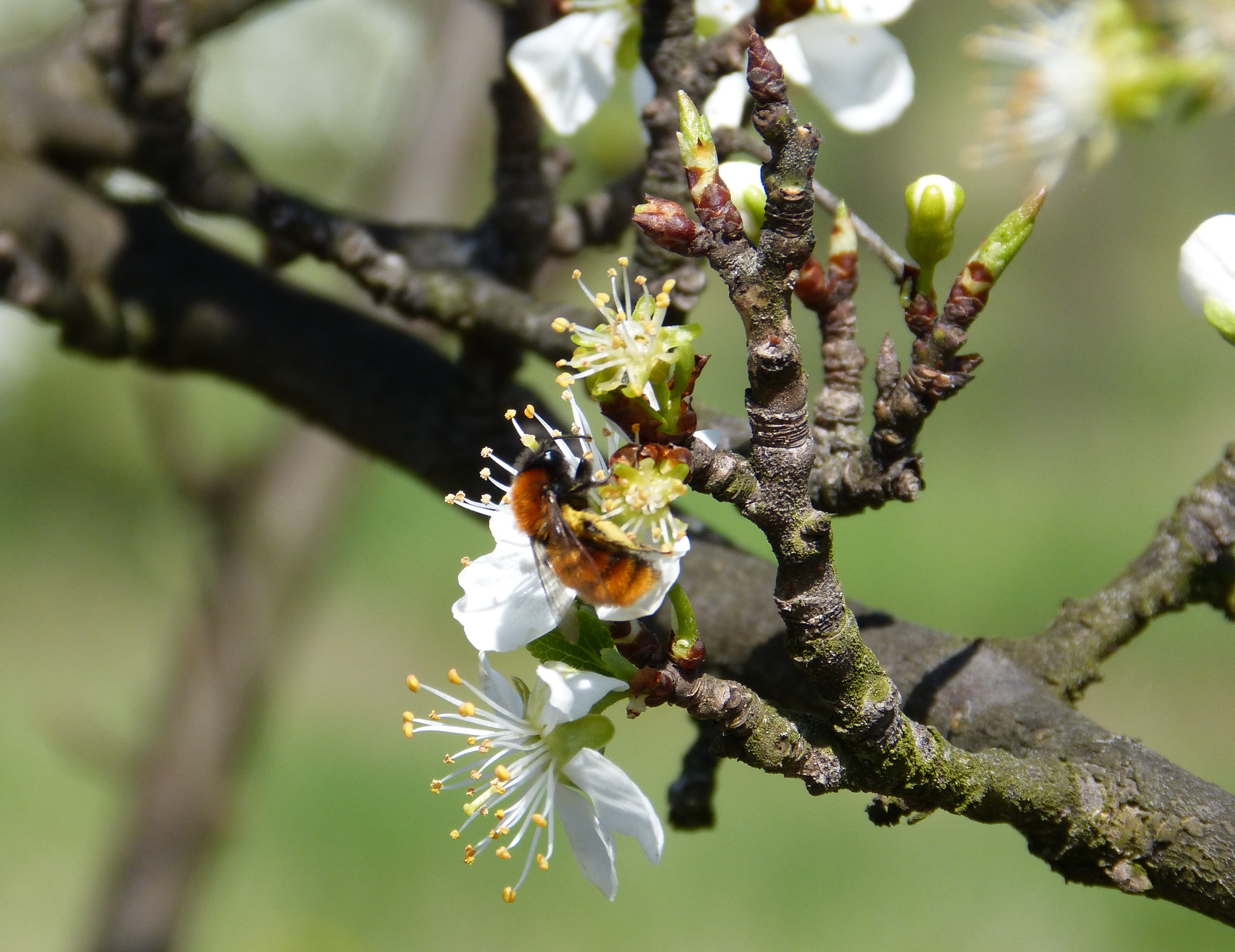
Rečmel: Measures to support populations of endangered bumblebee species
- The aim is to develop methodological procedures that will lead to the long-term protection of endangered bumblebee species
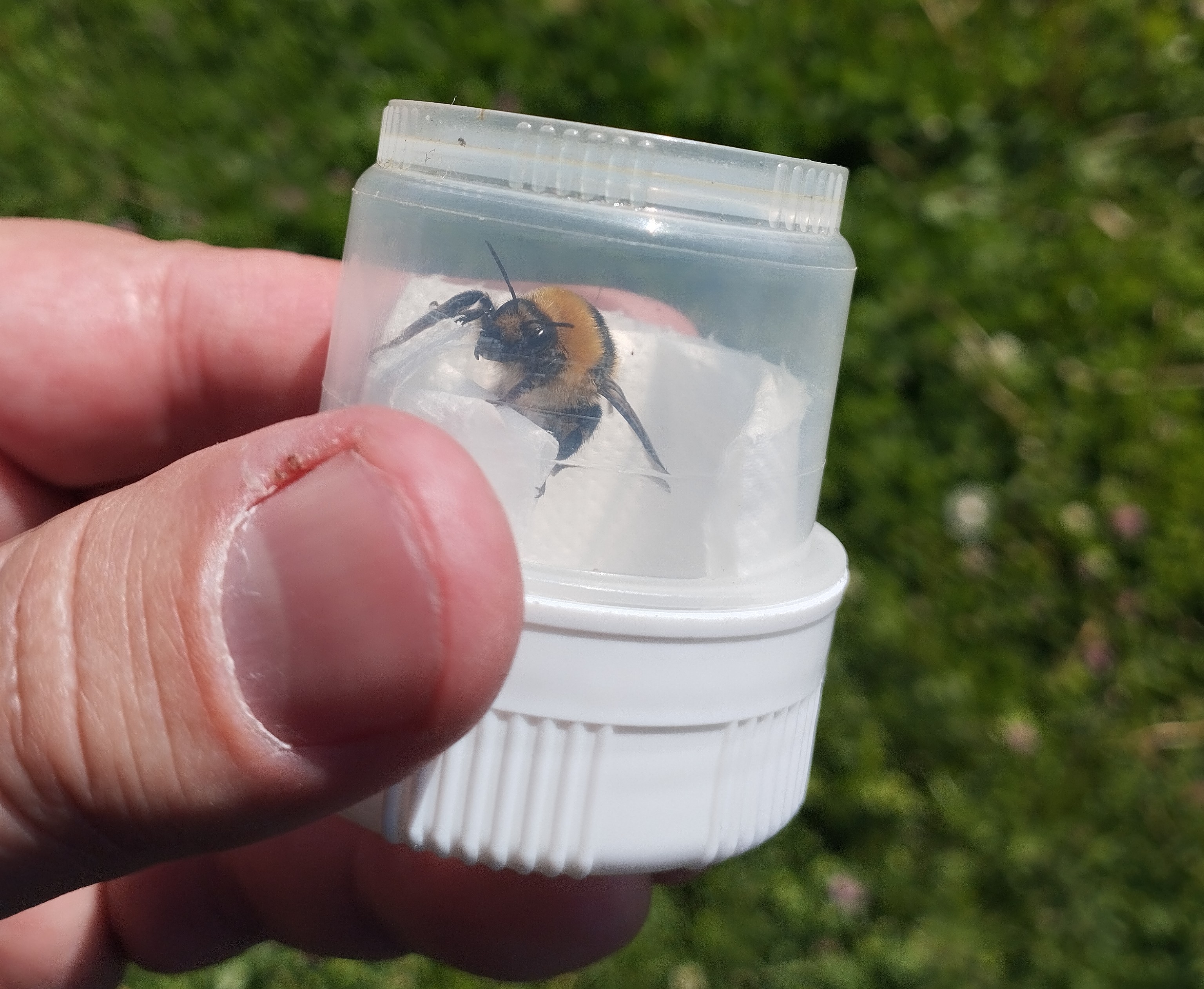
PESTLAND: The Impact of Agricultural Landscape Structure on Pesticide Load and Abundance of Wildlife
- To propose measures in agriculture and landscape structure, leading to minimum conditions for stopping the decline in biodiversity caused by pesticides.
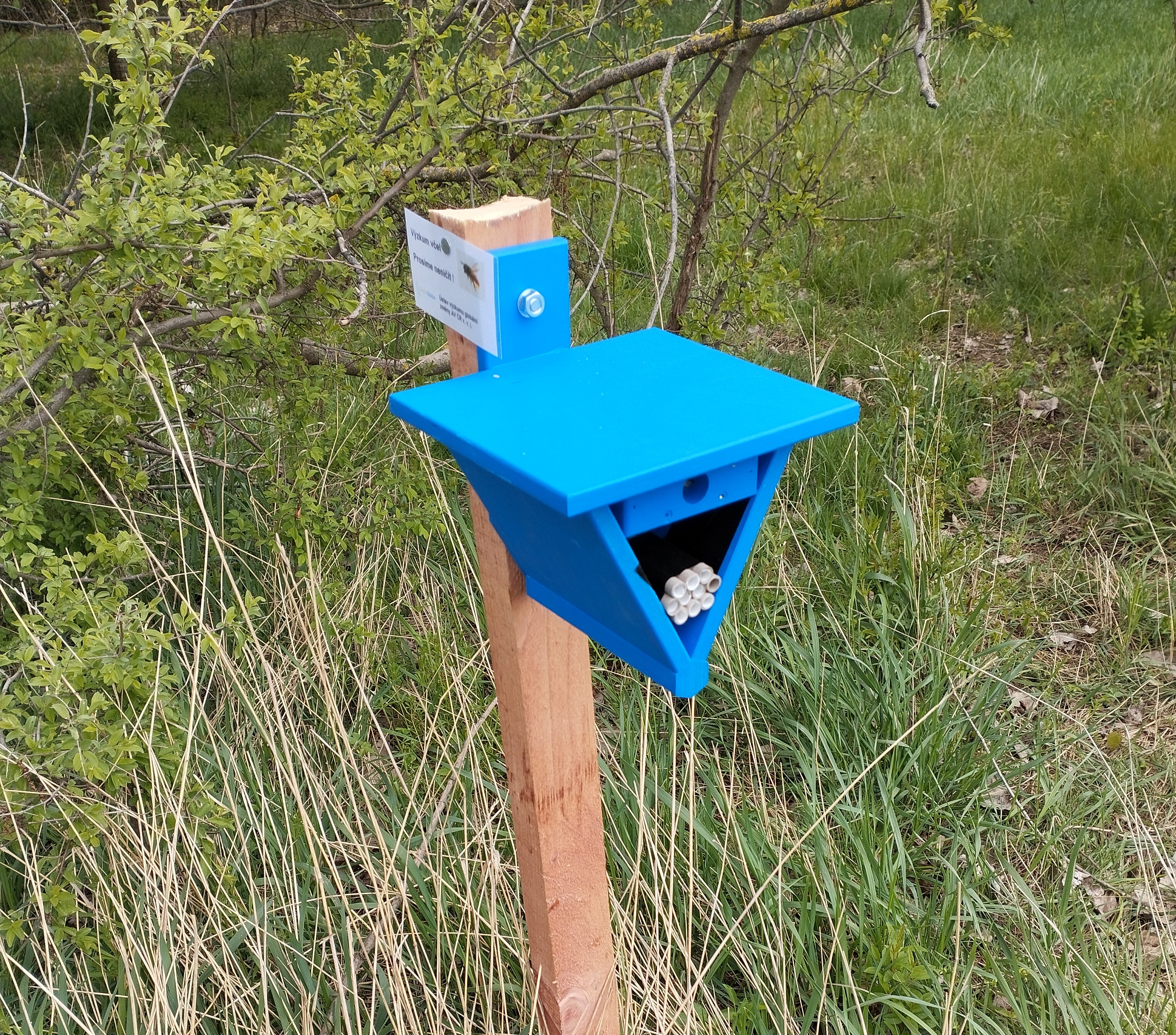
Support of natural pollination capacity in agroecosystems and assessing risks of sublethal pesticide doses on solitary bees
- The aim of the project was to make pollination of agricultural crops mediated by solitary bees more effective by proposing a set of measures increasing this natural pollination capacity of agroecosystems.